


Creative Playtime Activities That Help Kids Learn Faster
Creative play — drawing, building, pretending and storytelling — speeds up learning. Ten activities that sharpen young minds without feeling like lessons.
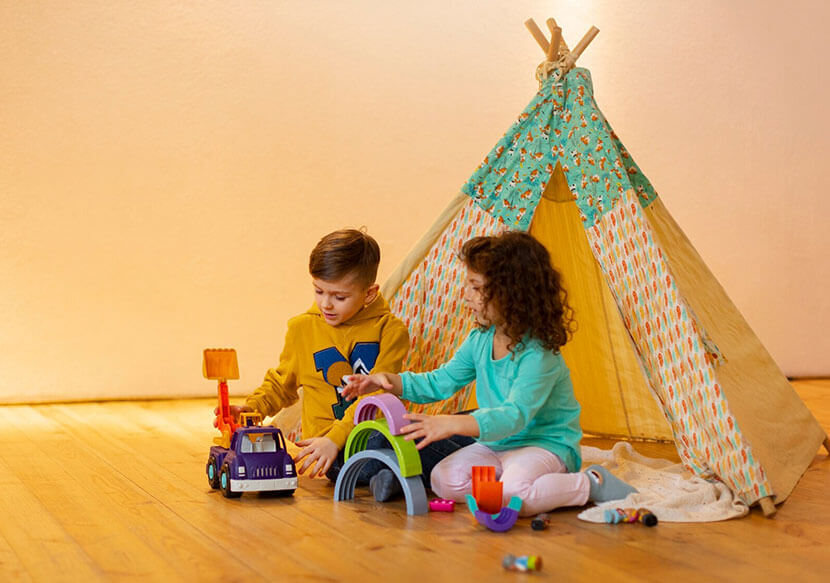
Children remember what they do far better than what they are told. Creative play — making, building, pretending and inventing — turns abstract ideas into something they can touch, and that is why it speeds up learning.
Why creative play works
When a child invents a game or builds something new, they plan, test ideas, fix mistakes and explain what they did. Those are the same skills schools spend years trying to teach. Creative play also builds confidence: there is no wrong answer when you are inventing.
Ten activities to try
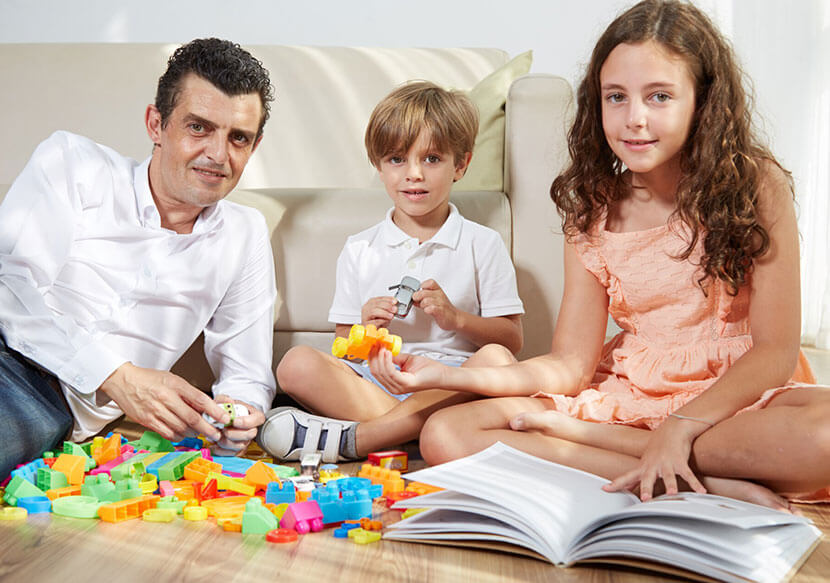
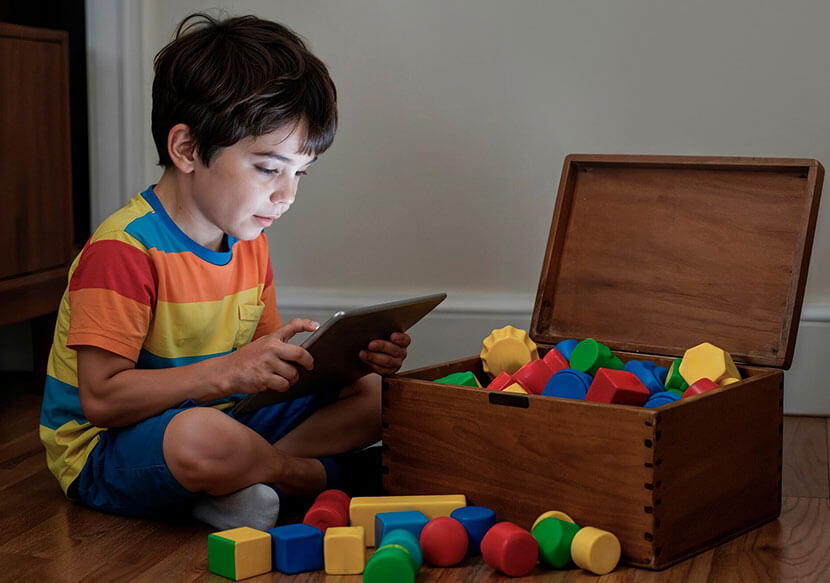
1. Building with a goal. Instead of "build something", try "build a house with two doors" or "a bridge that holds this toy car". A goal turns play into problem solving.
2. Shop and market play. Running a pretend shop teaches counting, adding, giving change and polite conversation.
3. Storytelling with toys. Ask your child to tell a story with their toys, then ask what happens next. This builds vocabulary and the idea of beginning, middle and end.
4. Pattern making. Make patterns with blocks, beads or coloured paper — red, blue, red, blue — and ask what comes next. Patterns are the foundation of maths.
5. Drawing what they hear. Describe a simple scene and let your child draw it. This trains listening and memory.
6. Kitchen science. Mixing colours with water, watching ice melt or seeing what floats and sinks makes children ask "why?" — the start of science.
7. Letter hunts. Hide alphabet cards around the room and have your child find letters and name something that starts with each.
8. Puzzle races. Time how long a puzzle takes, then try to beat the record. Older kids can design their own puzzles by cutting up a drawing.
9. Role play. Doctor, teacher, chef or pilot — role play builds empathy and the confidence to speak up.
10. Music and rhythm. Clapping rhythms, singing counting songs and playing simple instruments support memory and early maths.
How parents can help
- Ask open questions: "How did you make that?" or "What could we change?"
- Praise effort and ideas, not just the finished result.
- Display their creations — it shows their work matters.
- Keep materials simple and within reach.
The right toys make creative play easier. Building sets, puzzles, alphabet games and pretend-play sets from our Educational Toys range are a great place to start.